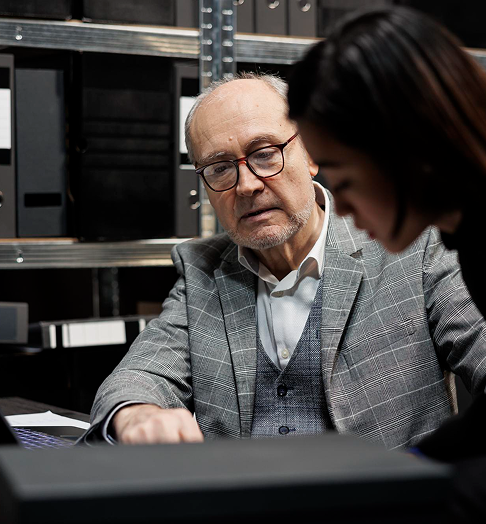
Forensic analysis is more than scientific testing—it is the bridge that connects facts to truth in a criminal investigation. In many cases, the difference between conviction and acquittal hinges on whether the forensic evidence was properly collected, analyzed, and interpreted. When handled by a qualified expert, forensic analysis can expose errors, challenge assumptions, and ultimately reshape the direction of a criminal case.
Exposing Investigative Mistakes Early
Not all investigations are conducted perfectly. Misinterpretation of evidence, improper interview techniques, and confirmation bias can lead investigators toward incorrect conclusions. A forensic expert reviews every detail with a neutral, analytical perspective—spotting oversights that others may miss. These findings can reveal alternative explanations, missing evidence, or inconsistencies that significantly alter the narrative of the case.
Bringing Scientific Accuracy Into the Courtroom
Judges and juries rely heavily on expert testimony to understand technical evidence. An experienced forensic analyst translates complex scientific findings into clear, factual explanations. This clarity helps ensure that the court sees the evidence for what it truly represents—not what it appears to suggest at first glance. When the science is presented accurately, it can shift opinions and strengthen the defense or prosecution.
Detecting Bias and Misconduct
Confirmation bias, tunnel vision, or improper procedures can distort an investigation. A forensic expert can identify signs of these issues by reviewing interviews, reports, and recorded statements. In cases where investigative misconduct occurred—whether intentional or accidental—expert testimony can highlight these problems and prevent them from influencing the final verdict.
Revealing Coercion and False Confessions
Interrogations, especially when recorded, contain subtle behavioral cues and patterns that only trained professionals can detect. A forensic expert can assess whether a confession was voluntary or influenced by coercion, manipulation, or flawed interview methods. Showing the court that a confession may not be reliable can dramatically change the outcome of the case.
Supporting Defense Strategy or Strengthening Prosecution
Both defense attorneys and prosecutors rely on forensic experts to validate evidence. These experts can:
-
Reconstruct crime scenes
-
Analyze timelines
-
Examine physical evidence
-
Identify missing investigative steps
-
Provide an unbiased interpretation of scientific results
Their input often becomes a cornerstone of legal strategy—either reinforcing the strength of the evidence or revealing weaknesses that change the trajectory of the case.
Ensuring Justice Through Truth
When a forensic expert steps into a case, the focus shifts from assumptions to verifiable facts. Their role is not to advocate for either side, but to ensure that the truth is accurately represented. Whether by uncovering new insights or correcting investigative errors, expert forensic analysis has the power to profoundly impact the outcome of a criminal case.