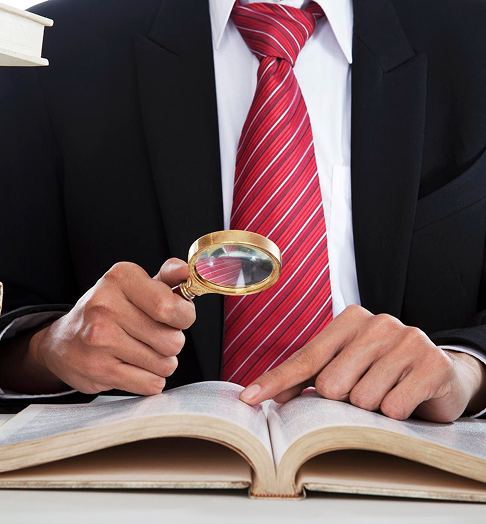
Even the most experienced investigators can make critical mistakes during a criminal investigation. High-pressure environments, limited resources, and cognitive bias often lead to overlooked evidence or inaccurate conclusions. These errors can cost innocent people their freedom—or allow guilty individuals to escape accountability.
A proper case review conducted by an independent forensic expert helps identify these mistakes early and prevents them from influencing the final outcome.
Rushing to Conclusions Without Considering All Evidence
One of the most common investigative mistakes is forming a theory too early and ignoring other possibilities. When officers become attached to a single narrative, they may overlook crucial details that contradict it.
A thorough case review forces a fresh, unbiased examination of all evidence—ensuring that alternative explanations are properly evaluated.
Confirmation Bias Affecting Decisions
Investigators are human, and like anyone else, they can fall into the trap of seeking information that supports their belief while dismissing anything that challenges it.
A forensic expert helps counteract this bias by objectively reviewing reports, interviews, and physical evidence. Their independent perspective brings clarity to areas where bias may have influenced investigative choices.
Poorly Conducted Interviews and Interrogations
Mistakes in the way interviews are carried out can significantly damage a case. These include:
-
Leading questions
-
Excessive pressure
-
Suggestive statements
-
Failure to document or record sessions properly
A case review evaluates interview techniques and determines whether investigators followed accepted protocols. When errors are found, an expert can assess how they may have impacted statements or confessions.
Mishandling or Misinterpreting Physical Evidence
Evidence collection is a delicate process. Mislabeling, contamination, improper storage, or incomplete documentation can render evidence unusable—or worse, misleading.
Experts conducting a case review analyze how evidence was collected, preserved, and interpreted. They can identify gaps or inconsistencies that could change the understanding of what truly happened.
Ignoring Behavioral or Contextual Factors
Sometimes investigators focus too heavily on physical evidence and overlook behavioral cues, environmental details, or the emotional state of people involved.
A forensic case review brings these elements back into focus, providing a more comprehensive picture of the event and improving investigative accuracy.
Overlooking Crucial Timelines
Timelines are the backbone of a solid investigation. When events aren’t accurately placed in sequence, it becomes easy to misinterpret motives, alibis, and opportunities.
A detailed case review reconstructs timelines using all available data—ensuring they align logically and scientifically.
How Proper Case Review Protects the Integrity of Justice
A professional case review acts as a safeguard. It identifies where mistakes occurred, explains how they affected the investigation, and provides recommendations for correction.
By bringing an unbiased, highly trained perspective, forensic experts help prevent wrongful convictions, strengthen legitimate cases, and restore confidence in investigative processes.