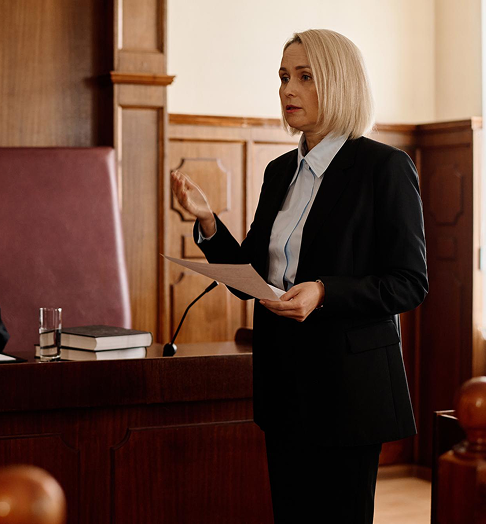
In today’s complex legal system, the outcome of a case often hinges on expert testimony. Expert witnesses bring specialized knowledge that goes beyond common understanding, helping judges and juries make informed decisions. Their experience, credibility, and ability to communicate complex information clearly can significantly influence the course of a trial.
Bridging the Gap Between Science and Law
Expert witnesses translate technical or scientific data into language that is accessible to non-specialists. Whether it’s forensic analysis, psychological evaluation, or accident reconstruction, these professionals ensure that evidence is accurately understood in the context of the law. Without an expert witness, highly technical evidence can be misinterpreted, potentially affecting the verdict.
Establishing Credibility Through Experience
Experience matters more than credentials alone. A seasoned expert brings years of practical knowledge, case history, and courtroom exposure that allows them to anticipate challenges, address opposing arguments effectively, and present their findings convincingly. This credibility reassures the court that the analysis is reliable and impartial.
Evaluating Evidence Objectively
An expert witness provides an unbiased assessment of the evidence. Unlike investigators or parties directly involved in a case, experts focus solely on the facts. Their role is not to advocate for one side but to ensure the court receives an accurate, scientifically supported interpretation of the evidence.
Influencing Legal Strategy
Attorneys rely on expert witnesses to shape their strategy. Experts can highlight gaps in opposing arguments, identify strengths in the evidence, and suggest additional lines of investigation. Their input can guide pre-trial decisions, settlement negotiations, and courtroom tactics, ultimately affecting the trial’s direction.
Enhancing Jury Understanding
Jurors often face complex and technical evidence that is difficult to interpret. An effective expert witness simplifies this information through clear explanations, visual aids, and step-by-step analysis. This clarity ensures that jurors base their decisions on accurate understanding rather than confusion or assumptions.
Providing Insight Into Human Behavior and Intent
Expert witnesses can also analyze human behavior, intent, and decision-making patterns. In criminal cases, this may include assessing whether actions were deliberate, negligent, or coerced. Such insights help the court contextualize events, contributing to a more informed judgment.
Conclusion: Experience is Key
The role of expert witnesses is indispensable in modern courtrooms. Their experience, objectivity, and ability to communicate complex findings clearly make them a critical component of the justice system. Choosing the right expert witness can make a decisive difference, ensuring that cases are evaluated fairly, thoroughly, and accurately.